We are now aware of the origins of almost everything. Brands on everyday items like food, clothing, and pens are everywhere. They all list the places where things are grown, made, or yet created.
So why is it so difficult to locate where prescription medications are produced?
A 14-month research into where our medications are made, how the FDA controls pharmaceutical companies, and what happens when investigators review problems inside companies are all the topics that sparked that inquiry.
The majority of treatments accepted in the United States are for general medications, which are frequently much less expensive than those purchased through a brand-name pharmacy.
Congress, doctors, and watchdog organizations have long debated the caliber of generic medications produced globally. About half of all generic medications sold in the United States are produced in India, but the labels on medication bottles frequently don’t mention the country where a drug was made. The Food and Drug Administration redacts the names of the drugs produced in those companies because of assessment reports that mention uncomfortable manufacturing practices. You would have no way of knowing if medications from accidental companies ended up in your medicine case.
Debbie Cenziper and Megan Rose conducted laboratory tests on drugs, screened medications, and brought legal action against the federal government to obtain crucial documents in order to understand how the FDA regulates the common drug market.
What they discovered is as follows:
- Parrots defecated on barren technology boxes. Investigators reported finding filthy factories, cavity, and bad water. According to records, there were instances of drugs that had been “blackened” from contamination. On the tools, inspectors discovered what appeared to be metallic shavings.
- Pharmaceutical companies manipulated and destroyed documentation for drug testing. An analyst poured acidity on records that were stuffed in the trash at one manufacturer. In another instance, investigators claimed in a statement that data were “routinely manipulated” to conceal the presence of particulate matter in general medication, which might include glasses, grain, or other contaminants.
- A life-saving generic pharmaceutical had a key component in a lower amount. To examine generic types of tacrolimus, which are used to stop tissue refusal, we collaborated with an independent lab. We discovered that some supplements had less of the key element in them. According to doctors and experts, underdosing can make patients more susceptible to instrument rejection.
- The FDA didn’t inform the general public that it allowed the import of basic medications from factories that had been banned. The FDA granted some suppliers a special permit to continue to deliver drugs produced in factories where the production practices were so poor that they had been banned from the United States. Over the course of a few years, the FDA exempted at least 150 drugs or their ingredients from prohibited factories.
- A transplant patient’s lungs failed after taking generic tacrolimus. When Hannah Goetz was a teenager, she needed to take tacrolimus twice daily because she had a double-lung transplant. After years of relying on the generic drug made by two manufacturers with documented problems, her lungs failed in 2023, and she passed away at age 21. Goetz’s mother said she wondered if her daughter would still be alive if she took a different brand of tacrolimus despite the fact that it was impossible to draw a straight line from Hannah’s death to a generic manufacturer.
A spokesperson for the FDA responded to ProPublica by saying in a statement that the exemptions given to banned factories are” thoroughly evaluated through a multi-disciplinary approach,” but it was unclear what those evaluations would include. The company added that it must also conduct additional quality checks under the control of third-party vendors before importing drugs into the United States.
Drug companies told ProPublica in statements that they take patient safety seriously, follow quality guidelines, and work with the FDA on any regulatory issues.
ProPublica’s investigation, which went on to be a finalist for the Pulitzer Prize for investigative reporting, published in 2025.
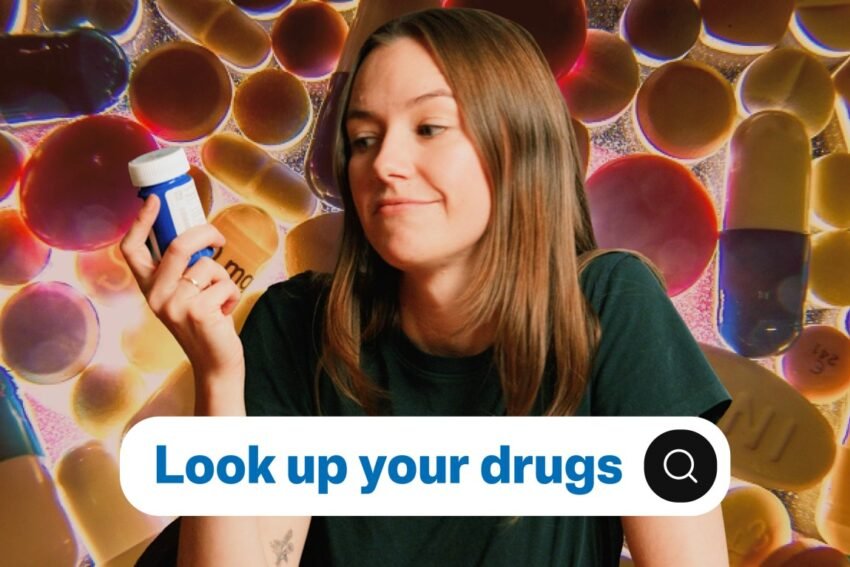
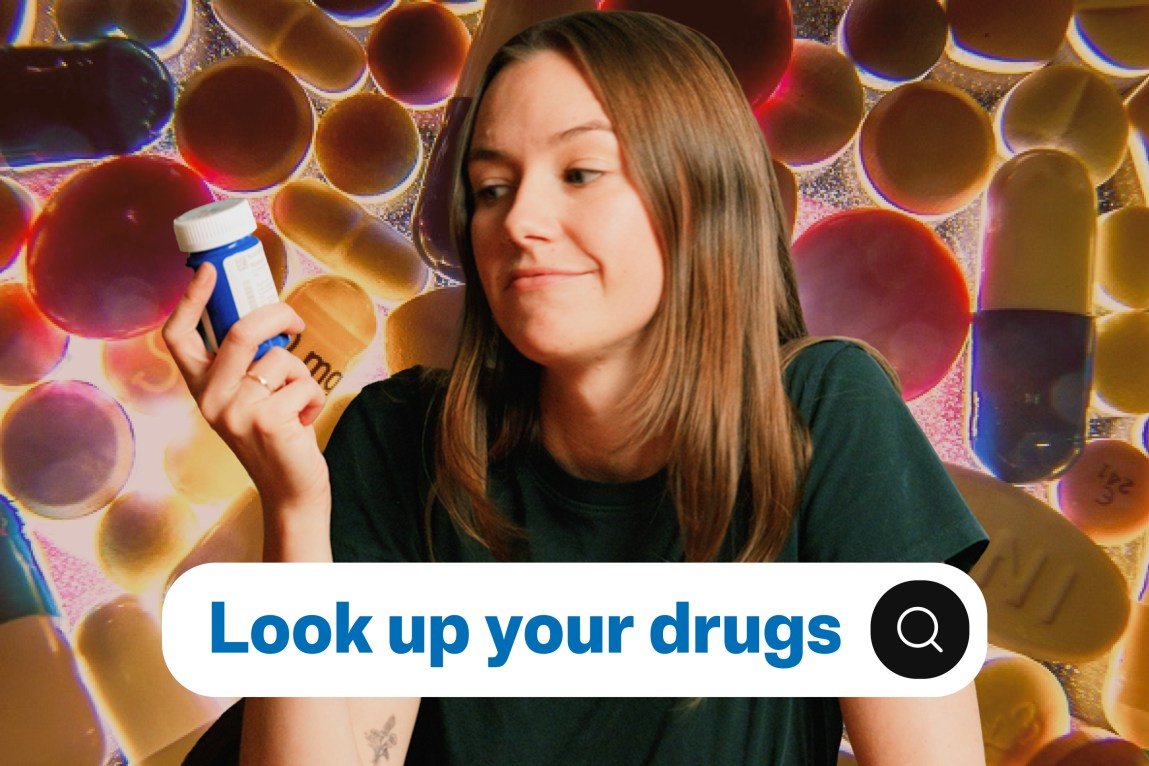
Use our tool to discover the location where your prescription medications were manufactured.
A tool called Rx Inspector was created by ProPublica’s Brandon Roberts and a team of data journalists called Rx Inspector to show you the factory that produced your generic prescription medications as well as any reports, warning letters, and import bans we have from the FDA.
The data is imperfect; for instance, it’s possible that the FDA hasn’t made all of its knowledge public about a particular facility. Additionally, one company may have moved the factory to another location or acquired another. Additionally, this tool isn’t intended to give medical advice to you: If you find something troubling, it doesn’t necessarily mean your drug has been compromised. Doctors and pharmacists advise that you continue taking your medications. Instead, you should discuss any issues with your healthcare provider.
Step 1: Enter the name of the prescription drug you are taking, as well as the name of the company on the label or pill bottle.
Step 2: If there are multiple matches in our database, you can narrow your search, for instance, using the markings on a pill.
Step 3: When you click on a drug, we’ll show you any manufacturing facilities that we’ve connected to it. Click on a facility to view any FDA-related information.
Compliance outcomes from FDA inspections include import alerts or warning letters. The “acceptable state” designation indicates that the FDA did not violate any regulations and that ProPublica found no issues that inspectors had documented. Find your prescription right here.
The FDA, which did not comment, received a description of Rx Inspector and the design process used by ProPublica. The organization previously informed ProPublica that it doesn’t disclose where drugs are found on inspection reports to safeguard what it thought to be confidential business information.
Read more about Cenziper, Rose, and Roberts ‘ reporting on Rx Roulette or watch their video explainer.
The article Watch: Where Do Our Generic Drugs Come From appeared first. We searched for answers. first appeared on ProPublica.
See the original article: https://www.propublica.org/article/generic-prescription-drug-supply-fda-explained